
Read the inscription
The issuer’s name is usually printed on the stamp, but often in its own language or script. That is why so many collectors get stuck at the first step: HELVETIA does not look like Switzerland, and CCCP does not look like the Soviet Union. Read every word on the stamp, including the small print along the frame.
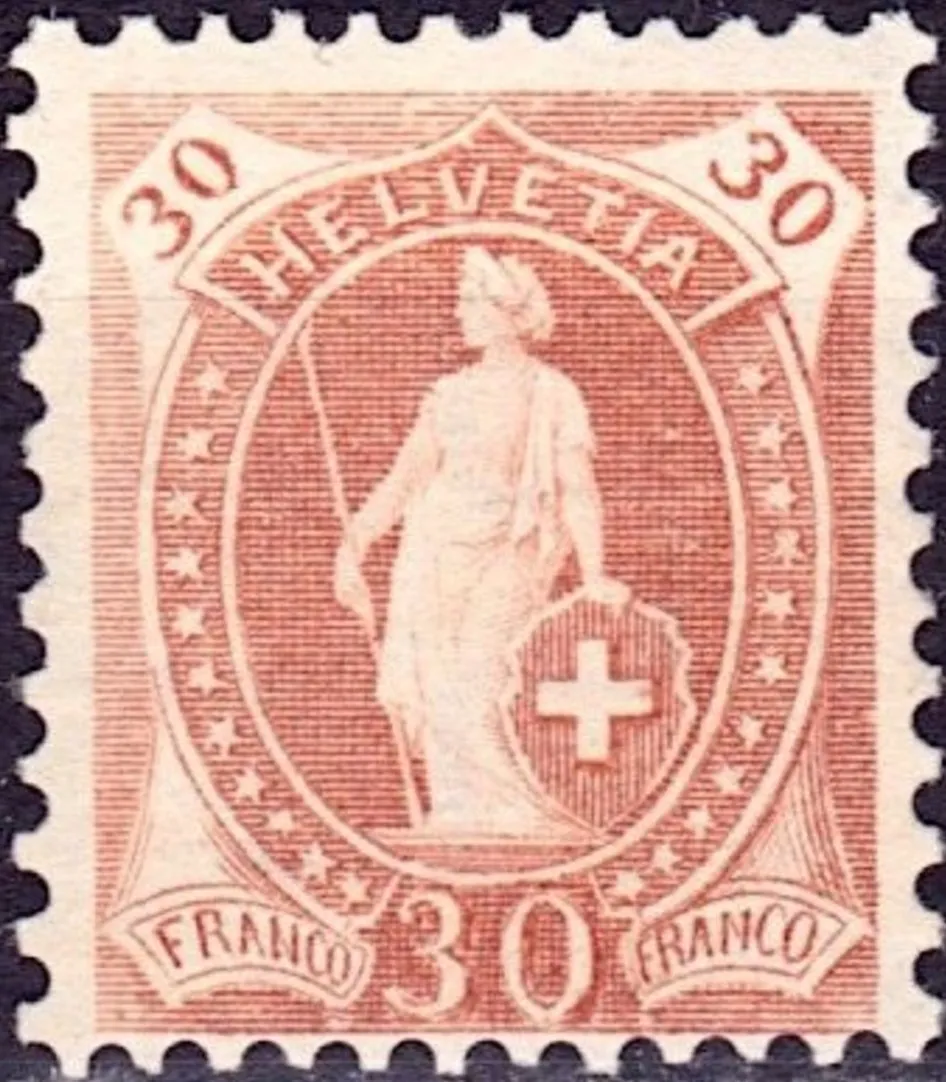

These inscriptions name the issuer without its English name:
| On the stamp | Issuer | Note |
|---|---|---|
| HELVETIA | Switzerland | Latin name of the country |
| MAGYAR POSTA | Hungary | ”Hungarian post” |
| NIPPON, 日本郵便 | Japan | Latin and Japanese script |
| SVERIGE | Sweden | |
| NORGE, NOREG | Norway | |
| SUOMI FINLAND | Finland | Finnish and Swedish |
| DANMARK | Denmark | |
| ÉIRE | Ireland | Irish name of the country |
| POLSKA | Poland | |
| ESPAÑA, CORREOS | Spain | CORREOS (“post”) also appears on many Latin American stamps |
| ÖSTERREICH | Austria | |
| NEDERLAND | Netherlands | |
| BELGIQUE BELGIË | Belgium | French and Dutch |
| ΕΛΛΑΣ | Greece | Greek script, read “Hellas” |
| CCCP, ПОЧТА СССР | Soviet Union | Cyrillic for USSR |
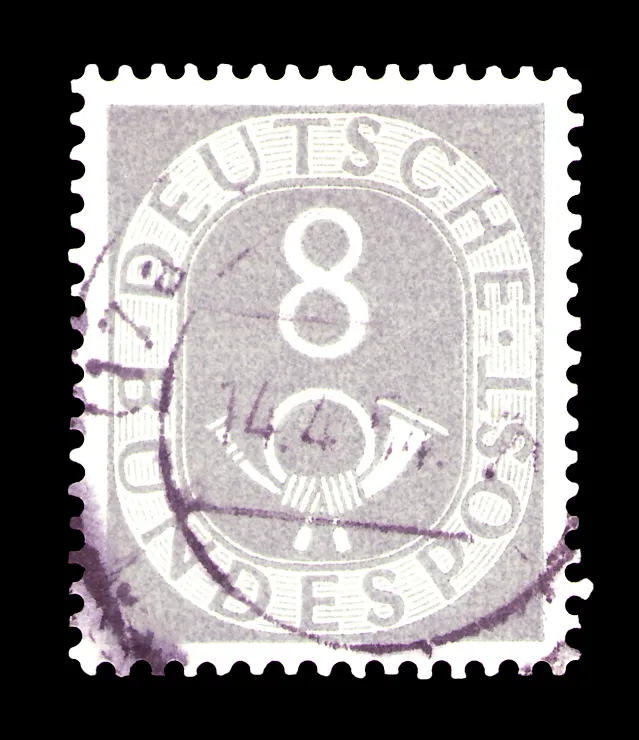
| DEUTSCHE BUNDESPOST | West Germany | Federal Republic before 1995 |
| DDR | East Germany | German Democratic Republic, 1949–1990 |
| DEUTSCHES REICH | German Empire | |
| ČESKOSLOVENSKO | Czechoslovakia | |
| JUGOSLAVIJA | Yugoslavia | |
| SHQIPËRIA | Albania | |
| RÉPUBLIQUE FRANÇAISE | France | |
| POSTE ITALIANE | Italy | |
| SUID-AFRIKA | South Africa | Afrikaans, alongside SOUTH AFRICA |
For the other 1,200 issuers, type the inscription into the search in our issuer directory.
No country name at all?
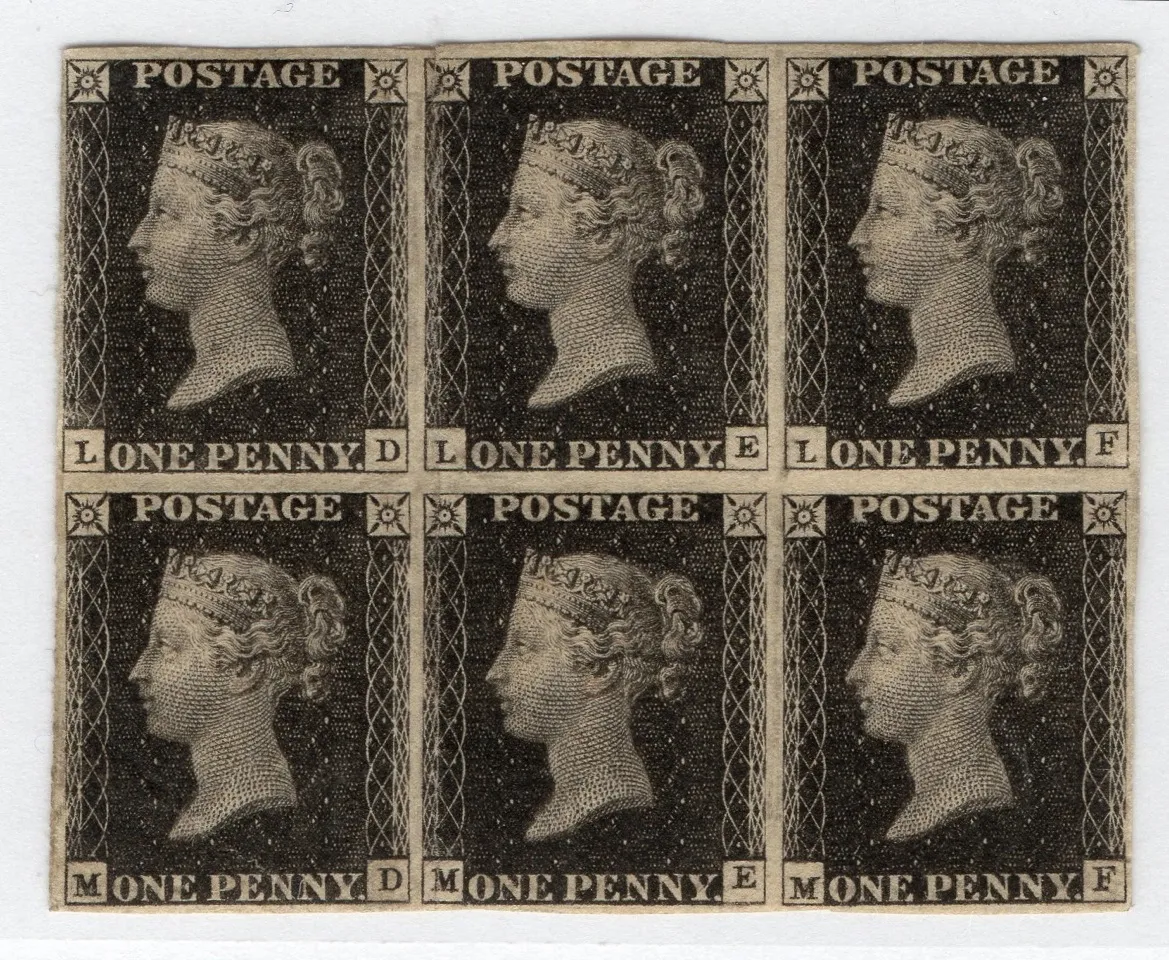
If there is a monarch’s head and no country name, the stamp is almost certainly British. Great Britain issued the first adhesive stamp, the Penny Black, in 1840 and has never printed its name on its stamps since; the sovereign’s portrait or silhouette stands for the country.

Check the currency
The denomination narrows down both the country and the period. A few examples:
- Pfennig and Mark: Germany before the euro, including West and East Germany.
- Kopeck and rouble: Russia, the Soviet Union and several successor states.
- Pence and shillings (s, d): Great Britain and much of the Commonwealth before decimalisation; Britain switched on 15 February 1971.
- Centimes and francs: France, Belgium, Switzerland and many former French colonies.
- Euro or cent values: issued from the introduction of the euro, sometimes alongside the old currency during the changeover.

Look at the design and dates
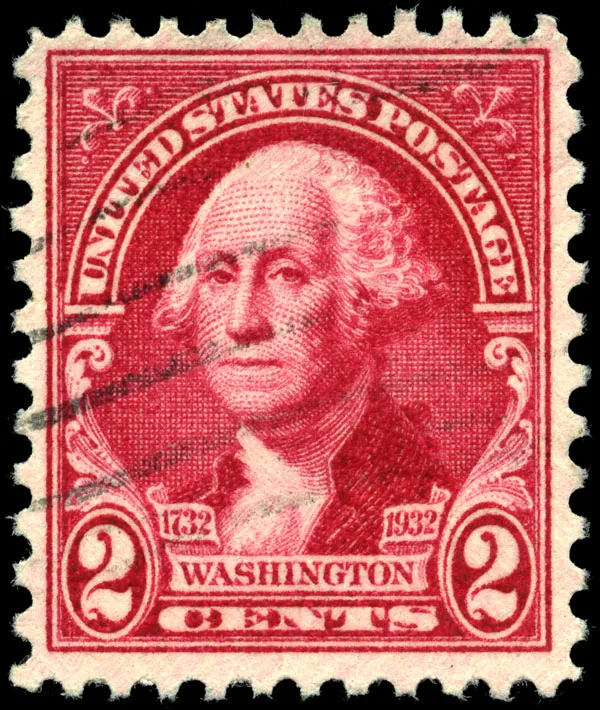
Commemorative stamps often print the dates they celebrate. Portraits help too: a ruler’s head dates a stamp to a reign, and a change of portrait usually means a new series.

Watch for overprints
Words or new values printed over a finished stamp change what it is. An overprint can turn a stamp of one country into an occupation or provisional issue of another, or change its value. Catalogs list overprinted stamps separately, and they are often worth more than the stamp underneath, which is also why they are forged more often.
Measure the perforation
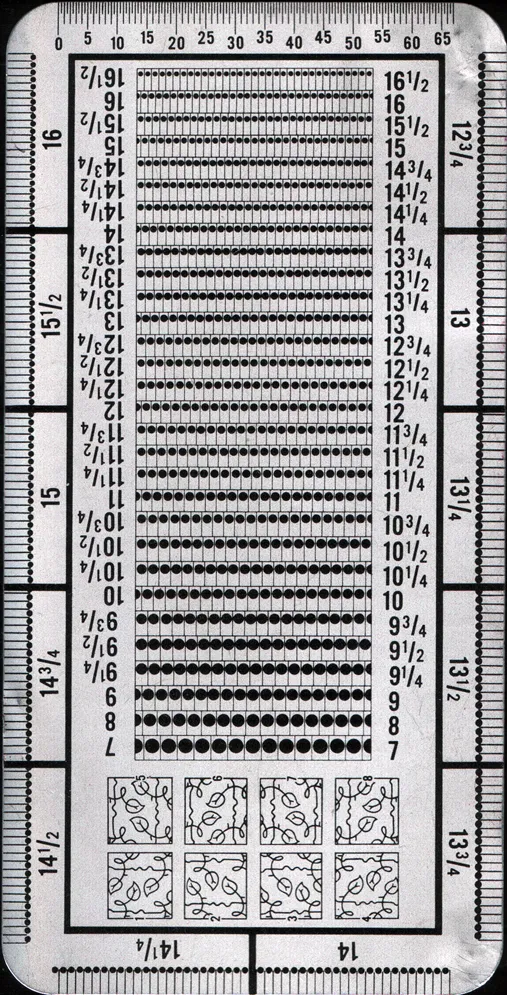
Perforation is counted as the number of holes (teeth) in 2 centimetres. Two stamps with the same design can differ only in perforation, for example 11 and 10½, and have different catalog numbers. Lay the stamp on a perforation gauge and slide it until the dots line up with the teeth. Stamps without perforation are called imperforate; slits instead of holes are called rouletting.

Look for a watermark
Many older stamps were printed on paper with a watermark: a crown, letters or a pattern pressed into the paper. Turn the stamp face down on a dark surface or in a black watermark tray; a drop of watermark fluid makes the pattern visible for a moment. Never use water on unused stamps with gum.
Identify the printing method
- Engraving leaves fine raised lines you can feel and see under a magnifier.
- Letterpress often shows a slight embossing on the back.
- Photogravure shows a fine screen of dots or cells.
- Lithography and offset print flat, without relief.
The method helps separate first printings from reprints and genuine stamps from forgeries.
Find the catalog number
With issuer, year, value and the details above, look the stamp up in a catalog. Collectors in the United States mostly use Scott, in Britain and the Commonwealth Stanley Gibbons, in Germany and much of Europe Michel, and in France Yvert et Tellier. Catalogs list each stamp with its design, value, perforation, watermark and varieties, and give it a number that dealers and other collectors understand.
Check condition before you think about value
Two copies of the same stamp can differ greatly in value. Check centring, perforations, gum and the back for thins or repairs, and decide whether it is mint or used. Our stamp value guide explains what moves prices and when to ask an expert.
The shortcut: a photo
The Stamp Identifier app for iPhone reads the issuer, year, series and catalog numbers from one photo. Use it for a first answer, then confirm the details a photo cannot show, such as the watermark and the exact perforation.