
Stamp issuers
from A to Z
Countries, colonies, occupations, local posts and states that no longer exist: 1,214 postal authorities, each with a guide to its stamps. Search by name, or type the words printed on your stamp.
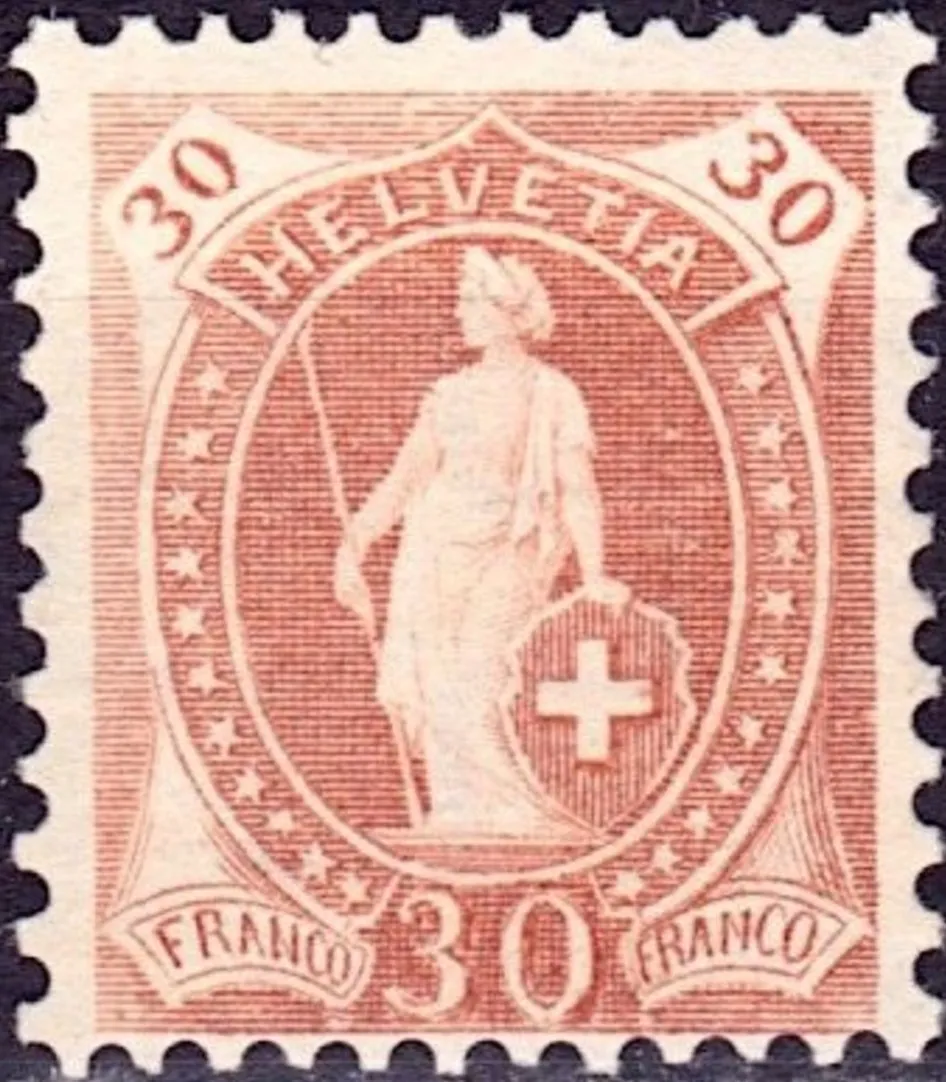
Switzerland, 1905. 1905 30c Standing Helvetia Swiss stamp, martin52, public domain. 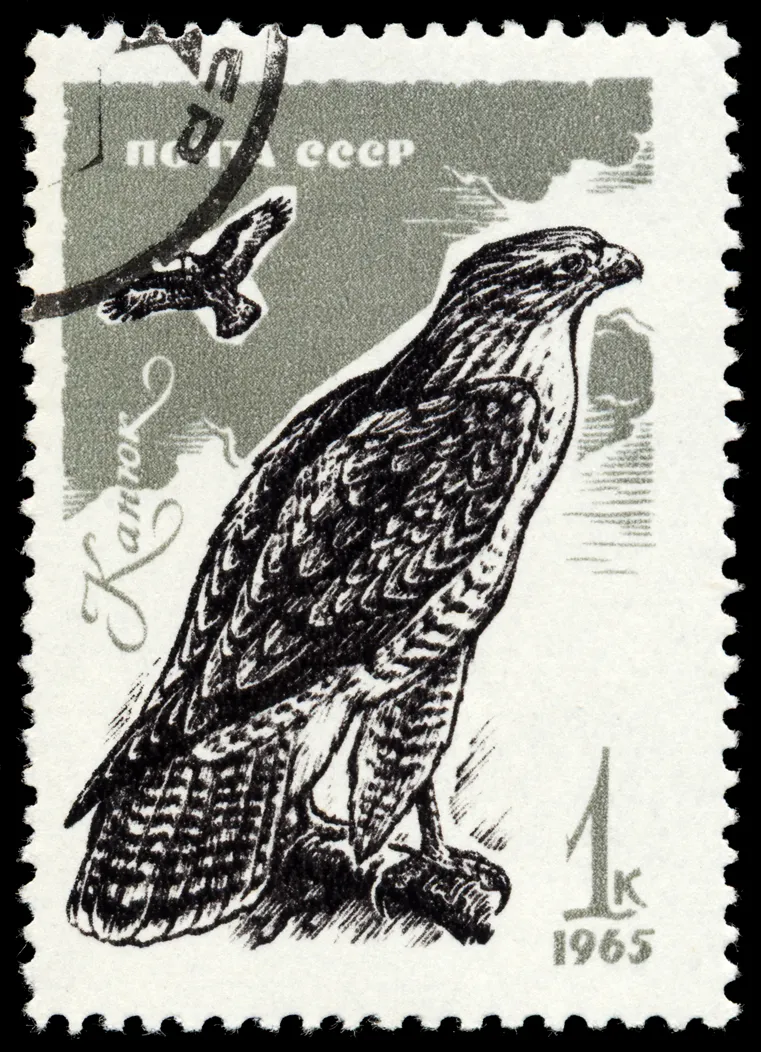
Soviet Union, 1965. Stamp CCCP 1965 Maeusebussard Buteo Buteo MiNr 3146, Pixelschubser, public domain. 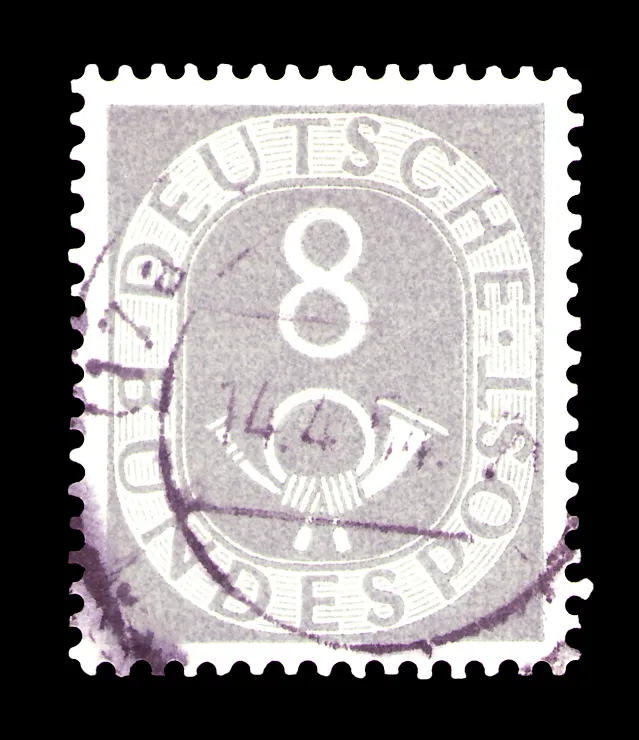
West Germany, 1951. Deutsche Bundespost - Posthorn - 08 Pfennig, Georg A. Mathey, public domain.


Matching issuers
Matching issuers 1
No issuer in our directory carries that inscription. Check the spelling, try one word, or let the app read the stamp from a photo.
Searches the names and inscriptions in our 1,214 issuer guides. In the app, the camera does this for you.

Browse by letter
On every issuer page
An issuer is the authority whose name, or whose ruler, appears on the stamp: a country, a colony, an occupation administration or a city post. Many no longer exist, which is why stamps so often carry names you will not find on a modern map.
- Issuing period
- When the authority issued stamps, with region, currency and languages.
- Inscriptions
- The words to look for on the stamp, and how to tell it from its neighbours.
- Popular series
- Definitives and commemoratives collectors look for first.
- Catalogs and value
- Which catalogs list it and typical value ranges, as orientation.
1,214 issuers,
Aaland to Zurich
Browse A–Z Europe
- 1840 Great Britain No country name, only the monarch's head Guide
- 1949 Germany DEUTSCHE BUNDESPOST, later DEUTSCHLAND Guide
- 1849 France RÉPUBLIQUE FRANÇAISE, POSTES Guide
- 1850 Switzerland HELVETIA Guide
- 1871 Hungary MAGYAR POSTA Guide
- 1923 Union of Soviet Socialist Republics (USSR) ПОЧТА СССР, often read as CCCP Guide
Americas
Asia
Africa
Questions about issuers
A country, territory, colonial or occupation administration, or local post that officially issued postage stamps. The issuer is usually named on the stamp, sometimes only in its own language or script.
No. Many issuers were colonies, occupation zones, city posts or states that no longer exist, such as the Soviet Union, German New Guinea or the Aegean Islands. Collectors and catalogs treat each as its own issuer.
Our directory lists 1,214 issuers, from modern countries to short-lived provisional and local posts. Catalogs count differently, depending on how they treat local issues, occupations and post offices abroad.
Read the inscription and type it into the search above: HELVETIA leads to Switzerland, MAGYAR to Hungary, CCCP to the Soviet Union. If there is no readable name, the Stamp Identifier app can recognise the stamp from a photo.
Because many collectible stamps come from administrations that existed only briefly, such as wartime occupations or provisional governments. Leaving them out would leave many stamps unidentifiable.
Most are listed in the major world catalogs, Scott, Michel and Stanley Gibbons, sometimes under different names or groupings. Local posts and some provisional issues appear only in specialised catalogs.
No. They give typical ranges as orientation. The value of a single stamp depends on its exact issue, condition and demand; check current listings or ask a dealer for anything valuable.
Start with
one stamp
Download the app, point the camera at a stamp and tap Identify. Your first identification every 24 hours costs nothing.
Scan a stamp to identify it
Snap a photo and get instant details, catalog numbers, and value
Identify